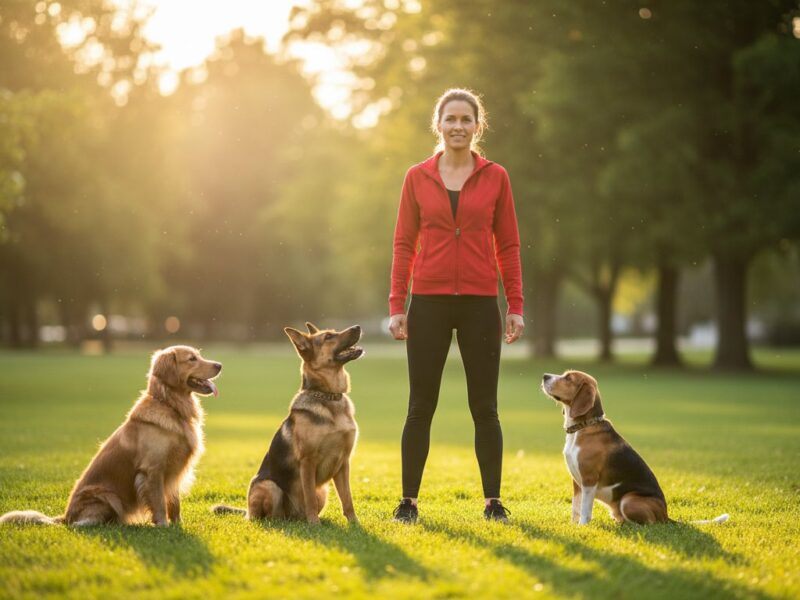
Living with multiple dogs can be rewarding, but managing different personalities, energy levels, and behavioral needs can also present challenges. From competition over toys to excessive barking and difficulty following commands, dogs may develop unwanted habits when sharing a home. Dog training for multi-dog households helps establish clear expectations, improve communication, and create a more peaceful environment for every dog.
With guidance from experienced professionals such as Rob’s Dog Training, owners can learn how to address individual behavioral concerns while encouraging positive interactions between their dogs. A consistent approach helps each dog understand household rules and feel more comfortable around its companions.
Why Dog Training for Multi-Dog Households Matters
Training multiple dogs requires more than teaching each animal basic commands. Dogs can influence one another’s behavior, meaning one dog’s excitement, anxiety, or unwanted habits may affect the entire group.
For example, a dog that barks at visitors may encourage other dogs to join in. Competition over food, toys, and owner attention can also create tension when household boundaries are unclear.
Structured training helps address these challenges by establishing consistent expectations and encouraging appropriate behavior.
Some important benefits include:
- Better communication: Dogs learn to respond to consistent verbal cues and household expectations.
- Reduced competition: Clear boundaries help prevent conflicts over food, toys, and personal space.
- Improved interactions: Dogs have opportunities to develop more appropriate behaviors around one another.
- Better household management: Owners can handle everyday situations with greater confidence.
- Individual development: Each dog receives attention based on its personality and behavioral needs.
The goal is not to make every dog behave identically. It is to create a household where different personalities can coexist safely and comfortably.
Establish Individual Training Before Group Sessions
One common mistake in multi-dog households is attempting to train every dog simultaneously from the beginning. Although group training can be useful, individual sessions provide an important foundation.
Each dog should understand basic commands such as sit, stay, come, leave it, and down before owners introduce more complicated group exercises.
Individual training also helps identify differences in learning styles. One dog may respond quickly to verbal praise, while another may need more repetition or food-based rewards.
Start with these practical steps:
- Train dogs separately: Work with each dog in a quiet environment without distractions from other household pets.
- Use consistent commands: Make sure everyone in the household uses the same words and signals.
- Reward desired behavior: Provide positive reinforcement when a dog responds correctly.
- Keep sessions manageable: Use short, regular sessions to maintain attention and prevent frustration.
- Gradually introduce distractions: Once a dog understands a command individually, practice with another dog nearby.
Building individual skills first makes it easier to manage group activities. It also prevents dogs from relying on their companions instead of learning to respond independently.
Prevent Competition Over Food, Toys, and Attention
Resource guarding is a common concern in homes with multiple dogs. Some dogs may become protective of food bowls, toys, resting areas, or other valued resources. These behaviors can lead to growling, snapping, or physical confrontations if they are not managed appropriately.
Prevention begins with creating predictable routines and reducing unnecessary competition.
Separate feeding areas
Feed dogs in separate locations, particularly if one or more animals show signs of guarding their food. Allow each dog to finish eating without interference, and remove bowls afterward.
Manage toys and valuable items.
Not every dog enjoys sharing toys. Provide separate play opportunities and supervise interactions when valuable items are present. Avoid forcing dogs to share if doing so creates tension.
Give individual attention
Dogs may compete for affection, especially when one receives attention while another is nearby. Encourage calm behavior by rewarding dogs individually and avoiding situations that reinforce pushing, jumping, or demanding attention.
Owners should recognize warning signs such as stiff body posture, freezing, hard staring, lip lifting, and growling. These signals communicate discomfort and may indicate that a dog needs additional space or professional behavioral support. Punishing warning signs can make it harder to recognize when a dog feels threatened.
Build Positive Interactions Through Controlled Group Training
Once dogs understand basic commands individually, owners can begin practicing selected exercises together. Group training teaches dogs to remain calm and responsive while other animals are present.
Start with simple activities in an environment where every dog has enough space. Avoid introducing too many distractions at once.
Useful group exercises include:
- Individual name recognition: Say each dog’s name and reward the correct response.
- Separate stays: Ask each dog to remain in place while another performs a simple command.
- Calm leash walking: Practice walking dogs individually before gradually introducing controlled group walks.
- Place training: Teach each dog to settle on its own designated mat or bed.
- Recall practice: Call dogs individually rather than expecting all of them to respond to one general command.
Keep early sessions short and reward calm responses. If excitement increases or dogs begin distracting one another, return to individual exercises before attempting another group session.
Controlled practice helps dogs learn to remain focused on their owners even when their companions are nearby.
Maintain Consistent Rules Throughout the Household
Consistency plays an important role in successful multi-dog training. When household members enforce different rules, dogs may struggle to understand which behaviors are acceptable.
For instance, allowing one dog to jump on furniture while preventing another from doing so can create confusion. Different expectations around feeding, sleeping arrangements, and access to certain spaces may also contribute to tension.
Establish household rules that apply equally to every dog unless individual needs require different arrangements.
Consider creating a routine that includes:
- Consistent feeding and walking schedules.
- Designated sleeping and resting areas.
- Clear boundaries around furniture and restricted spaces.
- Regular individual training sessions.
- Supervised opportunities for shared play and interaction.
Everyone involved in caring for the dogs should understand these expectations. Consistent responses help reinforce learning and make daily management more predictable.
When to Seek Professional Dog Training Support
Some challenges require more than basic obedience practice. Persistent aggression, serious resource guarding, repeated fights, and extreme anxiety can make managing multiple dogs difficult and potentially unsafe.
Professional guidance can help owners understand the underlying causes of these behaviors and develop an appropriate training plan.
A qualified trainer can assess how dogs interact, identify patterns that contribute to conflict, and recommend exercises suited to the household. Professional support may also help owners address individual behavioral concerns without disrupting the training progress of other dogs.
If dogs have been involved in serious fights, avoid attempting forced introductions or handling confrontations without professional guidance. Separate the animals safely and seek appropriate assistance.
Early intervention is important when behavioral concerns begin affecting everyday routines. Addressing problems before they become established habits can make long-term management more manageable.
Create a More Peaceful Home With Consistent Training
Successfully managing several dogs requires patience, clear communication, and an understanding of each animal’s individual needs. Dog training for multi-dog households should combine individual obedience work, controlled group activities, consistent household rules, and appropriate supervision.
Rather than expecting dogs to learn everything together, owners should build individual skills before gradually introducing shared exercises. This approach encourages better focus, reduces unnecessary competition, and helps establish positive routines.
With guidance from Rob’s Dog Training, owners can develop practical training strategies that help multi-dog households become more organized and comfortable for both dogs and their owners.